
Legacy Application Modernization Services
Modernize legacy software in stages, keep the business running, and cut maintenance costs with MobiDev’s senior engineers.
Legacy Software Modernization Services That Keep Your Product Live
MobiDev’s legacy application modernization services cover web applications, mobile apps, SaaS platforms, marketplaces, IoT apps, CRMs, POS, and ERPs. We update aging software built on old frameworks, monolithic architecture, or unsupported languages like AngularJS, PHP 5, or old versions of .NET Framework.
Our key goal is to improve the security and maintainability of the system and to enable the addition of new features, all without throwing out the business logic it already runs on. MobiDev implements legacy application modernization in stages, which allows the product to stay alive. We use a range of methods, from code refactoring and version upgrades to re-architecting, re-platforming to the cloud, or a full rebuild. MobiDev’s Solution Engineers also use AI agents for disruption-free, staged AI-driven modernization.
Start Your Product Modernization Journey Today!
Tell us about your product and modernization needs


Legacy App Modernization Results for MobiDev Clients
40% faster development
after migration
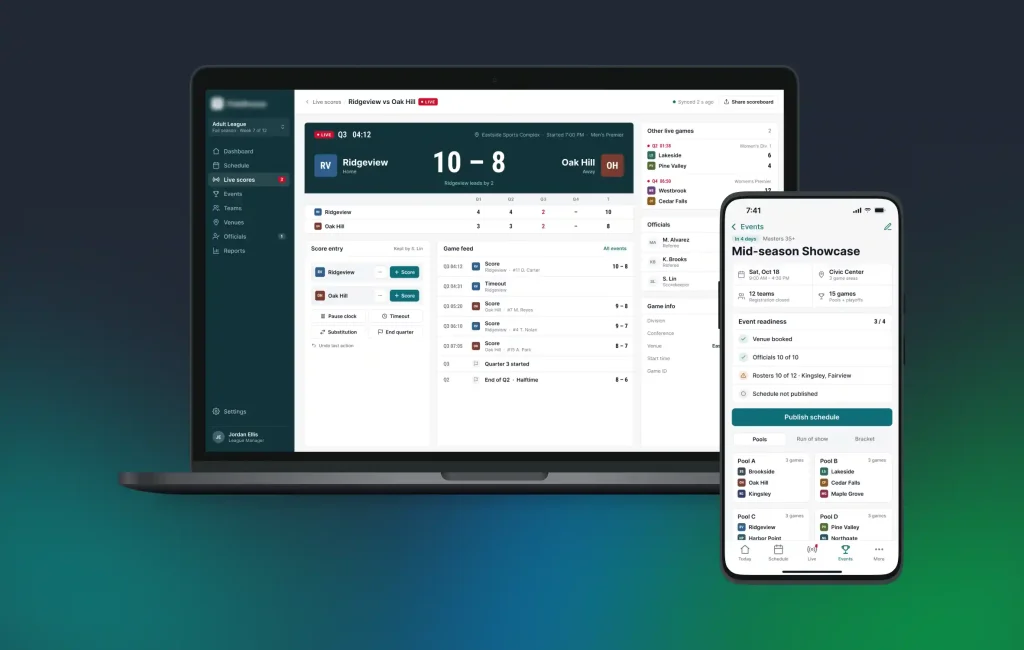
for US Sports Association
15% growth
in upsell revenue
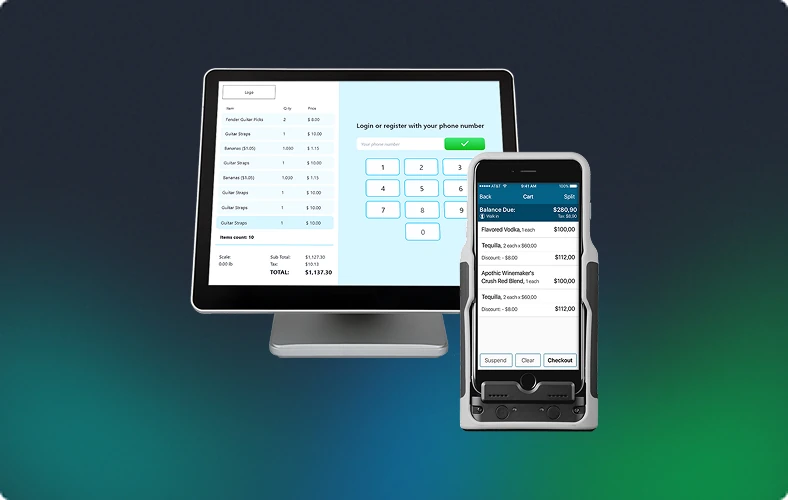
for ComCash ERP
45% overall reduction
in AWS cloud spend
for Fitness App


Have Doubts About Choosing Your Legacy App Modernization Strategy?
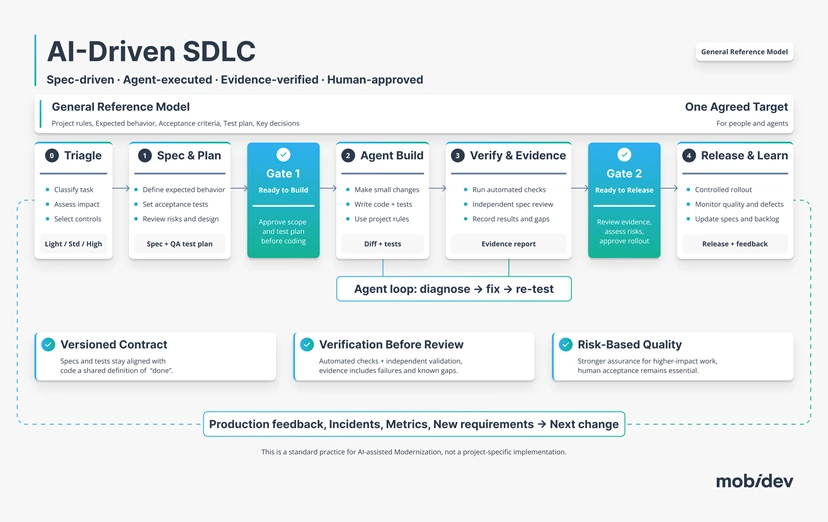
AI-Assisted Legacy Modernization
Your competitors ship new features every few weeks. Meanwhile, your legacy code stalls every release and doesn’t allow you to add some modern features. You fear traditional modernization can freeze your roadmap for a year or more. As a result, you stall on the decision.
MobiDev engineers use AI agents to map your product’s codebase and turn hidden business logic into documentation and characterization tests. Once it’s done, AI converts code in small batches inside the module boundaries that our senior architects set. Each batch passes build, tests, and a senior engineer’s review before it ships as a staged release.
With AI-assisted legacy modernization, you can save around40% of the time, as agents cover the most time-intensive part of the work (conversion and testing). Meanwhile, your product remains live, and your engineering team continues delivering new features.
How We Modernize Legacy Software Without Stopping the Business
Legacy System Audit
We read your code and check its architecture and security. You get a risk report and a cost estimate before anything changes.
Strategy & Roadmap
Each module gets its own approach, from a version upgrade to a new architecture. Releases are scheduled around your business dates.
Incremental Modernization
We use the strangler fig pattern to replace modules one at a time, a parallel run to confirm the old and new versions give the same results, and feature flags to control which version users get.
Testing
Characterization tests confirm each module works as before. We also test performance, security, and integrations.
Handover & Support
Your team gets the code, docs, and tests, and a walkthrough with our engineers. MobiDev can stay on for support and new features.
Legacy Modernization Services for Your Industry
Hospitality
Upgrade property, venue, booking, and order management platforms
- Connect legacy software with POS and third-party services
- Improve staff and customer-facing user experiences
- Prepare systems for multi-location growth
Retail
Modernize POS, inventory, and order management systems
- Integrate ecommerce platforms, payment services, and ERP software
- Improve system performance during peak sales periods
- Add personalization, analytics, and automation capabilities
Sports & Fitness
Modernize workout, coaching, membership, and performance platforms
- Integrate wearables, sensors, payment systems, and third-party services
- Improve real-time data processing and application performance
- Scale products for growing user bases
Wellness & Health
Modernize wellness apps and management platforms
- Improve data protection and system reliability
- Integrate modern services without disrupting existing workflows
- Upgrade interfaces for clients, employees, and administrators
Legacy Application Modernization Experts

Rustam Irzaev
Solutions Architect, Claude Certified Architect

Serhii Koba
Solutions Architect, Claude Certified Architect

Yevhen Kuzminov
Solutions Architect, Claude Certified Architect

Anton Lohvynenko
Solutions Architect

Iurii Luchaninov
Solutions Architect

Andrew Makarov
Solutions Architect, Claude Certified Architect

Oleg Starostin
JS Team Leader
Why Choose MobiDev as Your Legacy App Modernization Company
Since 2009
Providing software development & modernization
Since 2018
Providing AI consulting
& development services
120+
Successful modernization projects
91%
Middle and senior engineers on the team
5 years
Average Client Retention
9.1 NPS
As of the 2025 Client Survey
4.9
Client rating on Clutch
77%
Of clients are from North America and Europe
5 Factors Impacting the Cost of Application Modernization Services
Codebase Size
More code means more modules to convert, test, and review.
Stack Age
Each major version you skip adds breaking changes to work through.
Test Coverage
With few tests, engineers must write them first to catch regressions.
Integrations
Every payment provider, ERP, or partner API needs its own migration and testing.
Documentation
hen nobody wrote down how the system works, the business logic has to be recovered from the code.
Modernize Your App with Less Risk and More Business Value
Reduce Costs and Technical Debt
Lower infrastructure and maintenance costs while simplifying outdated code, architecture, and dependencies.
Improve Performance and Scalability
Strengthen application performance, reliability, and capacity to support growing traffic, workloads, and business demands.
Release New Features Faster
Remove technical limitations that slow development and create a more flexible foundation for future product improvements.
Minimize Business Disruption
Modernize the application in controlled stages to keep critical systems operational and reduce downtime.
Protect Data and Business Logic
Preserve essential workflows and safeguard business data through backups, migration validation, access controls, and thorough testing.
Extend the Product Lifecycle
Integrate modern technologies, improve security and user experience, and continue evolving the product without an unnecessary full rebuild.
Time to Modernize Your Product
Legacy Modernization FAQ
Legacy application modernization services update outdated software so it stays secure, maintainable, and able to take on new features. The work includes code audits, refactoring, framework and version upgrades, re-architecting, cloud migration, and UX/UI redesign. MobiDev modernizes web and mobile apps, SaaS platforms, marketplaces, CRMs, POS and ERP systems, and IoT apps, keeping the business logic they already run on.
Modernization changes the existing system step by step: you upgrade, refactor, or re-architect parts of it while the product stays live and keeps its proven business logic. A full rewrite builds a new system from scratch and switches over at the end. Rewrites carry more risk, take longer, and often lose undocumented rules hidden in the old code.
The 7 R’s are seven strategies for deciding what to do with each legacy application, ordered from the least to the most change:
- Retain: keep the app as it is because it still works and is supported.
- Retire: shut it down when it is rarely used or another system already covers its job.
- Rehost: move it to new servers or the cloud without changing the code (“lift and shift”).
- Replatform: move it with small changes, such as a managed database or containers, to cut running costs.
- Refactor: clean up and restructure the code, or upgrade the framework, without changing what the app does.
- Re-architect: change how the system is built, for example splitting a monolith into a modular monolith or microservices.
- Rebuild or replace: write the app again on a new stack or switch to an off-the-shelf product.
Most products mix several strategies, one per module. The right choice depends on the module’s business value, its risk, your budget, and your deadline, which is why modernization starts with an audit.
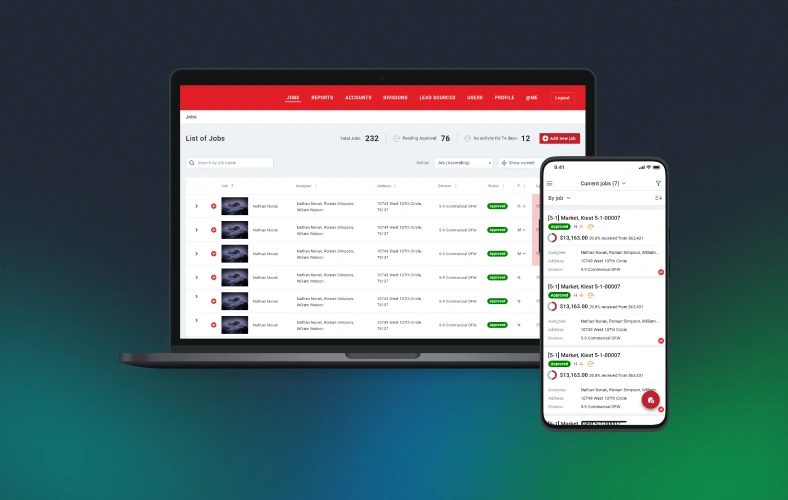
We modernize in small, reversible stages. The new code grows around the old one module by module (the strangler fig pattern), feature flags control what users see, and old and new versions run in parallel until results match. For one client, we upgraded 80% of a legacy CRM’s codebase in six months while it stayed in production.
Timelines range from weeks to over a year depending on scope. In MobiDev projects, a Ruby on Rails platform upgrade took under three months with four engineers, an Angular 12 to 19 migration took seven months, and 80% of a legacy PHP CRM was upgraded in six months. Staged releases deliver value before the full program ends.
Modernize when the framework stops getting security updates, each new feature takes longer than the last, integrations need workarounds, or you can’t hire developers for the stack. McKinsey reports that CIOs divert 10–20% of their new-product budget to tech-debt issues. Starting before a forced deadline, like a funding round or compliance audit, keeps your options open.
Yes, when engineers stay in control. AI reads and documents legacy code, writes tests that lock in current behavior before anything changes, and drafts new code, while senior engineers review every change. On MobiDev’s own Angular 12 to 19 migration, AI saved 41.7% of migration time, and the team then shipped new features 7x faster.
Often, yes. If the core system can expose data through an API, new AI or AR features can run as separate services on top of it. For a road repair SaaS platform, MobiDev added LiDAR and AR damage measurement, which helped cut annual churn from 7% to 2.2%. An audit shows whether the old stack can support the feature.
Under our contracts, all code delivered for your project, including AI-assisted code, is transferred to you, and our engineers review, modify, and integrate every AI suggestion, so the final code carries human authorship. Copyright protection for AI output varies by country and by the AI vendor’s terms, which is why we use tools whose licenses assign output rights to the user.